Comments on Creativity

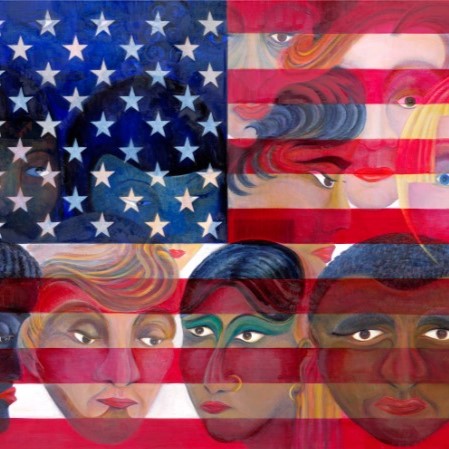
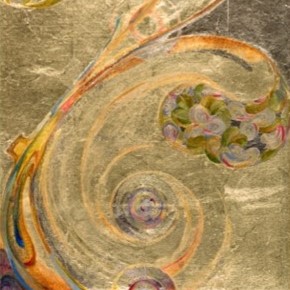
Click on a painting below to learn more about it.
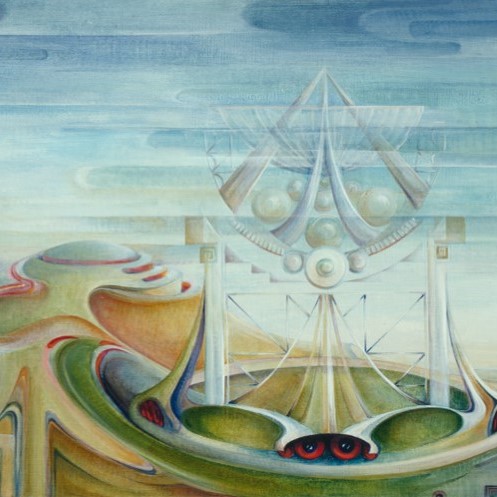

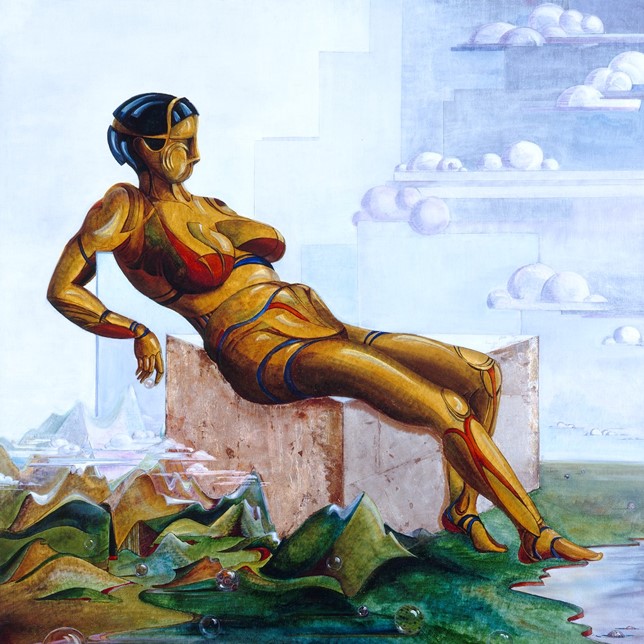
Still Waiting

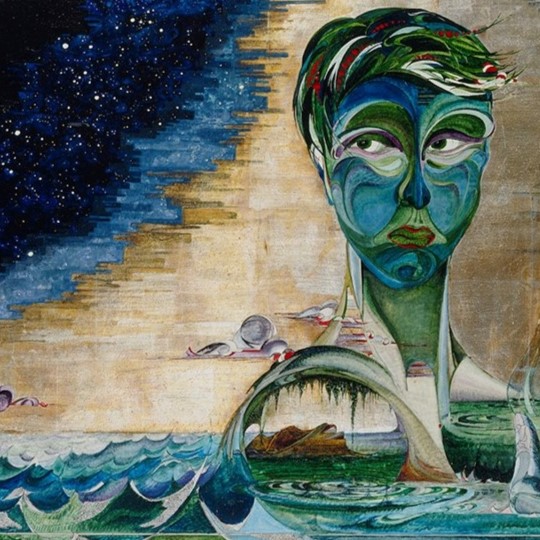
Epochs of Mankind

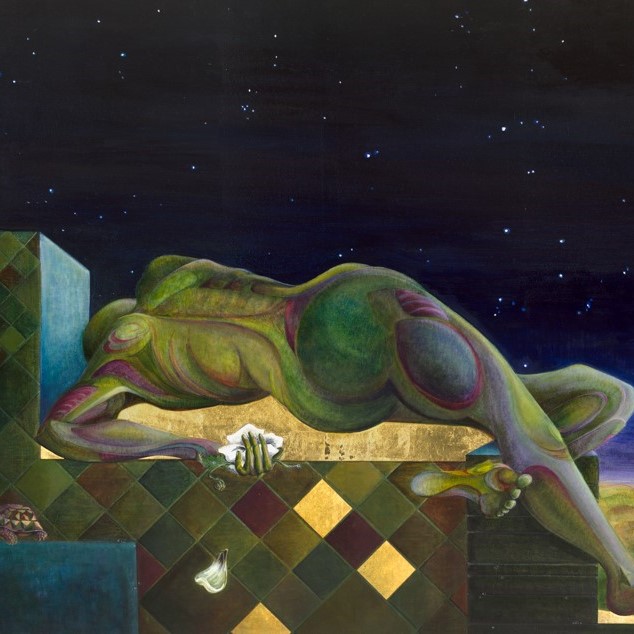
Sleeper

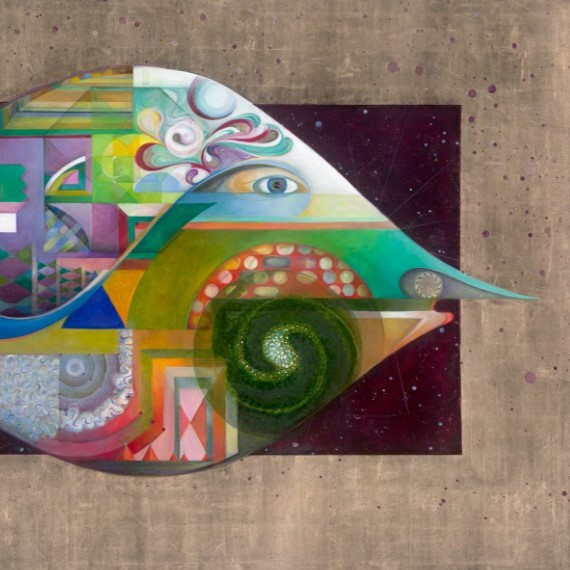
Cosmic BrainMind

Petabyte Abyss

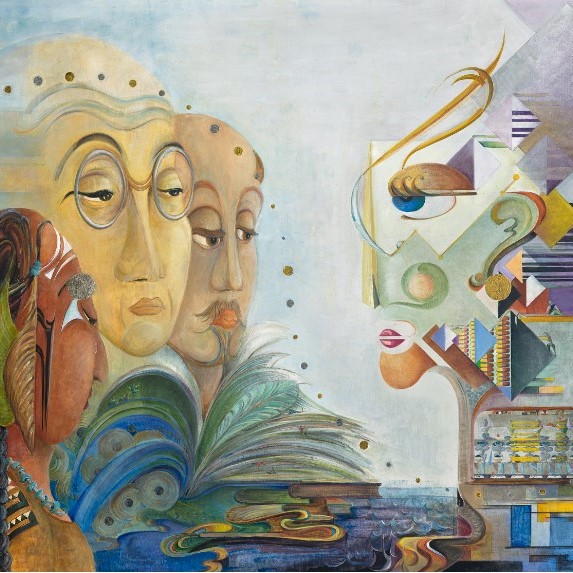
Sea of Time

An oil painting does not “fall from the sky” but an idea does alwaysthat is the nature of an idea.

Surely, everything is in a context of time, place, and understanding, and an idea depends on being understood and falling on fertile ground in a promising season – nourished like the acorn seed to become one day a tree.

A multi-syllable word for this Creativity – a capacity which we all have but not always recognize or use happily. For an artist, creativity is like the water for the fish to swim …

Being so used to it, the fish does not write essays about the nature of water but focuses on healthy fins and smooth waves. For an artist, the idea is all – but without further efforts, that “all” remains invisible, and short of positive consequences.

Therefore, an idea is manifested in the action – for me in the drawing, because paper and pen are nearly always in reach. And – as my parents wisely conveyed their experience: “an idea does not come twice.”


The Drawing

is a flow of intuitive emotions, thoughts, and guiding the pen – it is important to stress this state. If you might give me a topic “draw me a dog”, the mind in grand-terminal-station Brain looks up the main corridor, platform “Canine” (i.e. memories) and pursues towards the mental train to draw a dog: spiced with fear of bites or loving associations of caressing the family pet.

But without an initiating “topic”, the mind strolls in grand station and gets hooked by a fleeting color, a waft of popcorn or the speaker’s announcement that the express train to Milan via Ferrucci is ready to leave…

The mind “thickens” and wants to draw – and the first line virtually starts the immediate desire to continue, half aware of a direction and half “still in the clouds” (i.e. the “sky”).  

The extended explanation to the painting Cosmic Brain Mind (exhibit nr. 4) illustrates just this process: when I started, out of boredom, in a place inactively waiting, getting pen and paper, to draw. And how did that unfold… (You will see a rare reconstruction “line-by-line”)

If the idea is the acorn, no oak tree without it, but the ground must be provided – it does not grow in a salty ocean. It might be transported far away in the belly of the wild boar, but eventually it will be expelled and meet the rich nutrition of the forest ground. That is the training of skills every artist needs to realize an ephemeral idea into a growing entity: the sketch, the drawing, the watercolor, the etching, the painting… depending on the media chosen. Skills are learned and trained like driving a car – permanent attention is mandatory but so ingrained that it is not bothersome.

Now there is the idea, and it develops from a drawing into a watercolor, which introduces     (in my experience) two or more aspects: composition, coloration, and evolving into sharpened content. Rarely do I skip this intermediate state, but there are some cases where the core of the painting was actually developed on the canvas itself.  This is represented by exhibits nr. 1, Still Waiting, nr. 11, Arbor Vitae, and nr. 12, Percussion. In these images, the single object of interest (a radio telescope; a vigorously growing tree; and a percussionist) is placed on the canvas, and the work began there. That is risky, because the oil painting demands a high degree of work and generally also planning. If the composition does not work out, then great effort has been wasted. For this challenge, watercolor is normally the safer “layover.” In the advanced stage, the topic undergoes refinement, often with added details rich in symbolic content, as in Still Waiting, with tiny but telling images of monuments like Stonehenge, a Greek temple, and a medieval church complex.

The Watercolor:

With this explication, I show a pair of watercolors (Cornwall 1 and Cornwall 2 – see next to this text), the first created directly “al fresco” in nature: sitting on the cliffs in West England, the rocks and the vegetation, the fleeting perspective, and the infinity of sea and sky are described. For me it was a valuable experiment: I was not really interested in the “sketchy” recording of Nature’s impression on me; in a class I might have rebelled, but here, sitting alone, I simply tried hesitatingly. As I had foreseen, I found it boring – but I wanted to prove to myself that “my way” is better. That became the second watercolor: in this, I “translated” the nature study into individual line-definitions and shape abbreviations. The two watercolors side-by-side demonstrate what “translation” or “stylization” means: the painter’s freedom to leave the actual realistic appearance, using and selecting (although with care) only what is artistically desirable and executing the work in one’s own aesthetic of lines (i.e., style). That is an individual choice different for every artist.

The Oil Painting

The last “chapter” in the development is the oil painting, which is the crucial turn where the image expands to incorporate a specific meaning. It might already have started in the watercolor when this grew from a single object into a more complex composition, but the oil painting allows continuous growing and maturing – the grown-up, long-living “oak tree.”