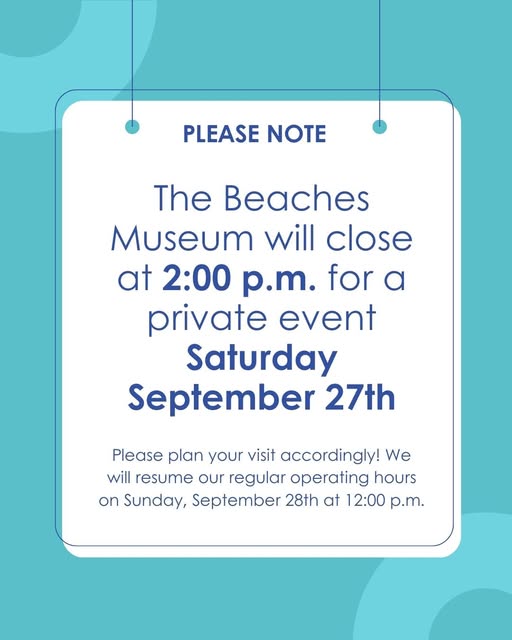
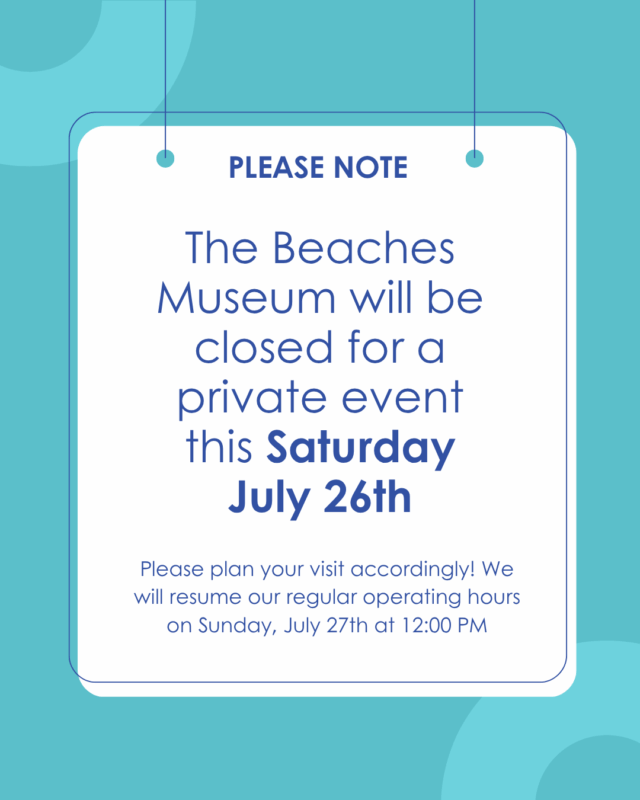
Please note that the Beaches Museum will close at 2:00 p.m. for a private event this Saturday, September 27th. Please plan your visit accordingly! We will resume regular operating hours on Sunday, September 28th at 12:00 p.m. noon.
Calling all train enthusiasts! Look forward to two days of train related educational fun at the Beaches Museum this September.
PABLO BEACH TRAIN DAY
SATURDAY, SEPTEMBER 6 | 10:00 a.m. – 2:00 p.m.
JOIN BEACHES MUSEUM IN CELEBRATING ALL THINGS TRAIN DURING OUR ANNUAL “RIDING THE RAILS: PABLO BEACH TRAIN DAY.”
Attractions will include three operating model train layouts, a car show dubbed Cars Through Decades, and a train robber suspect search. Also, the trackless train is back this year! Hop aboard for rides through the neighborhood.
Get your crafting fix in at Make it and Take it, a station where kids can create their very own train-themed souvenirs! After creating their crafts, kids can also enjoy historic, train-themed games (brought to you by the Beaches Museum membership committee).
The Museum’s 1911 steam locomotive, the 1900 Florida East Coast Foreman’s House, and the Mayport Depot will also be open to the public with volunteers present to answer any questions guests may have.
Boy Scout Troop #37 will be selling beverages and lunch items including hamburgers and hot dogs.
Although admission to the event is free, registration is required. Please sign up using the button above. Donations are appreciated!
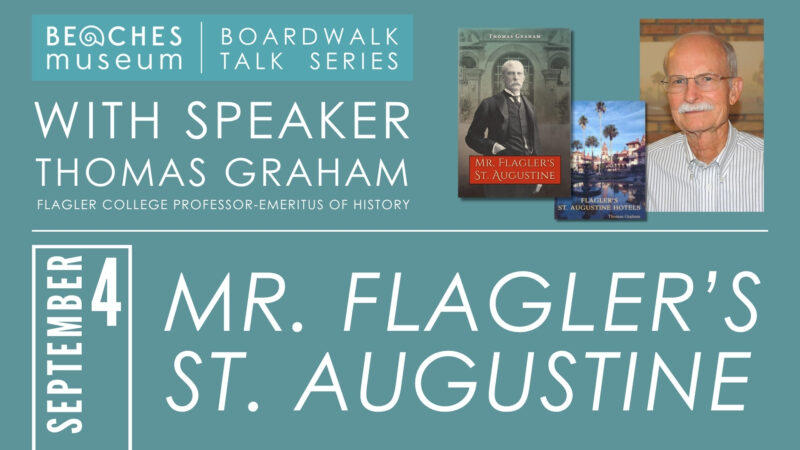
BOARDWALK TALK: MR. FLAGLER’S ST. AUGUSTINE
THURSDAY, SEPTEMBER 4 | 6:30 p.m.– 7:30 p.m.
Ahead of Train Day this year, join us at the Museum for a special Boardwalk Talk on Henry Flagler with Flagler College professor-emeritus Thomas Graham.
Thomas Graham has authored several books, including Mr. Flagler’s St. Augustine, which tells the same story from the St. Augustine from Flagler’s perspective, from his introduction to the state in the 1880s to the rise of his railroad and hotel empire spanning Florida from Jacksonville to Key West. More than just a St. Augustine story, Mr. Flagler’s St. Augustine tells the story of Flagler as a developer from St. Augustine to Palm Beach to Miami and finally to Key West.
For more information, please visit www.beachesmuseum.org or call 904.241.5657 extension 116
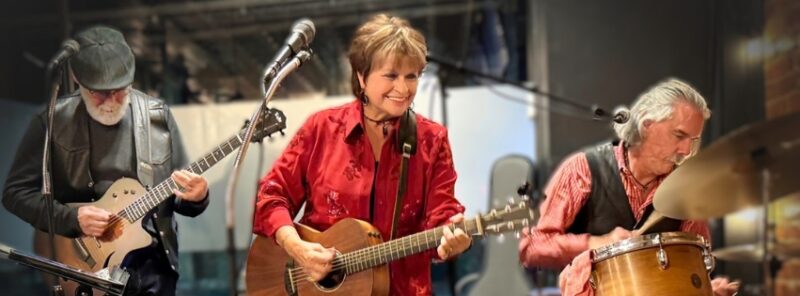
When she talks, the endearing southern drawl draws people in like a magnet. And when she sings, there’s no doubt that EG Kight means business. With her rich vocals, captivating guitar style, and hefty catalog of well-crafted original songs, she has entertained audiences around the globe in true southern style. An indisputable triple threat – as singer, songwriter, and guitar player – Kight’s high-energy shows, with her own unique blend of “country flavored southern fried blues”, appeal to fans across the genres.
As she celebrates over 25 years as a blues artist, Kight’s long and successful career is more proof that the blues is alive and well, and that all ages relate to the music. “The blues is about capturing a genuine feeling and being real, rather than trying to get a lyric or phrase right,” the artist explains about her gritty-over-pretty style.
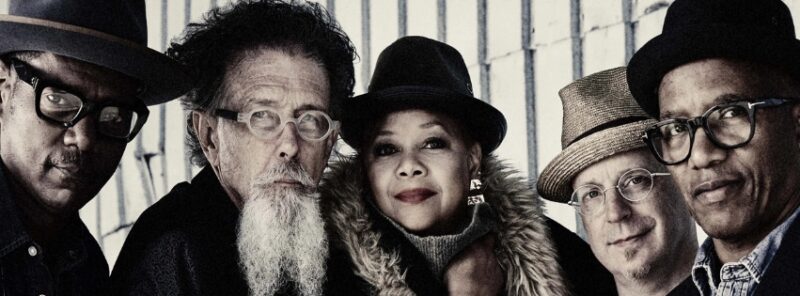
The Unlawful Assembly reimagines and tributes historic spirituals and hymns which universally inspire, empower and unite. Leader/guitarist/singer Walter Parks, longtime sideman to Woodstock legend Richie Havens, is joined by featured artists drummer/producer Steven Williams, Ada Dyer on vocals who’s currently touring worldwide with Bruce Springsteen and/or Andrae Murchison on trombone.
In one live-concert experience The Unlawful Assembly entertains and informs while successfully melding roots music of divergent origins. The soundtrack to American black history – old-school spirituals, gospel, blues, and prison work chants intertwine with swamp hollers, shaped-note hymns and Appalachian reels of white homesteader origin. Parks’ native northeast Florida swampy feel borrows from southern rock, jazz, early 70’s soul and few gospel interpretations that rest joyfully upon a foundation of modern electronic loops.
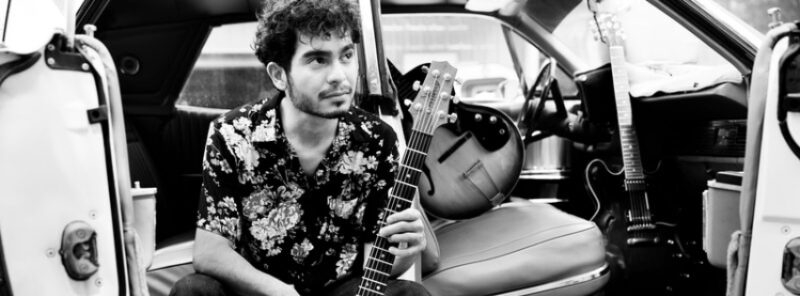
David Julia is a guitarist, singer-songwriter, and entertainer from Central Florida. He began his professional career playing at his hometown Italian restaurant at only ten years old. By 13, David was playing his music all over the state of Florida. From regionally touring to competing and performing in the Memphis-based Blues Foundations International Blues Challenge four years in a row, David Julia is an up and coming force in the country’s Blues scene.
David released his EP, Simple Things, in 2016, consisting of four original works and one cover. His first album, Inspired, produced by Mike Zito and released on the VizzTone Record label, debuted in 2018. The title “Inspired” is paying tribute to the Blues masters whose recordings he has learned from.
The Backtrack Blues Band hails from the Tampa Bay region of Florida and has been performing original blues music since 1980. As one of Florida’s longest running blues acts, Backtrack has performed with many blues legends – Stevie Ray Vaughan, B.B. King, Buddy Guy, Gregg Allman, Koko Taylor, Johnny Winter, John Lee Hooker, and Robert Cray, just to mention a few.
This five-piece unit has an upbeat, electric blues sound reminiscent of the early Chicago blues scene. Sonny Charles supplies great amplified harmonica and vocals. Kid Royal adds blistering lead guitar and vocals. The solid rhythm section consists of Little Johnny Walter on rhythm guitar, Joe Bencomo on drums, and Steve Vitale on bass. The band delivers its brand of original electric blues with the passion and integrity of a group that has spent decades refining its craft.
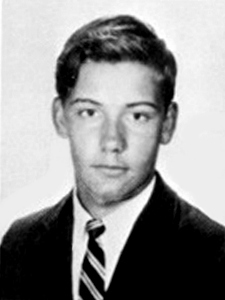
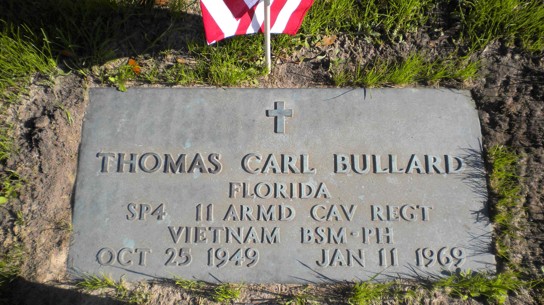
Bullard received the Bronze Star for valor in Vietnam.
By Johnny Woodhouse
Harold Fritz was in the lead command vehicle, an armored personnel carrier (APC) nicknamed by the South Vietnamese Army as the “green dragon,” when 2nd platoon’s seven-vehicle convoy stopped for refueling on Jan. 11, 1969.
Normally the executive officer of one of three scout platoons in Troop A, a unit of the U.S. Army’s 11th Armored Cavalry Regiment, Fritz was taking the place of another platoon leader that dry Saturday morning.
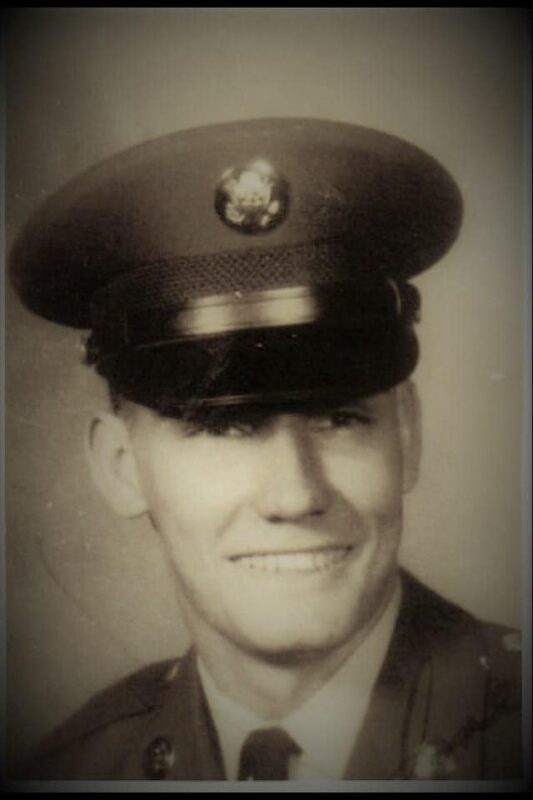
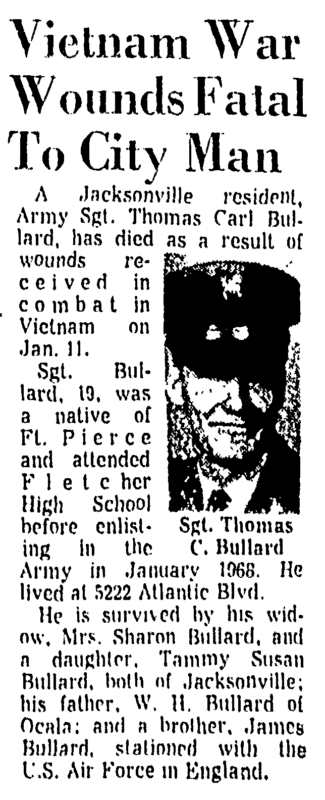
During the refueling stop, the 24-year-old lieutenant had a chance to speak informally with his APC’s three-man enlisted crew, including topside gunners Charles Keith Day, 21, of Franklin, Ohio, and Thomas Carl Bullard, 19, of Jacksonville Beach, Florida.
Fritz’s orders were to move his mobile platoon to an overwatch position and provide an extra layer of security for the 1st platoon, which was escorting a resupply convoy traveling north on Highway 13, a road that stretched from Saigon to the border of Cambodia.
“The truck convoy went up that road twice a week,” recalled Fritz, now 81, in a phone interview in 2024. “There wasn’t a lot of action along the route, mainly sniper fire.”
Little did Fritz know, but not far from the refueling stop, a reenforced company of North Vietnamese Army soldiers was lying in wait for the 2nd platoon.
Beaches Roots
Two years earlier, Bullard attended Fletcher High School in Jacksonville Beach. He worked as a projectionist at the Royal Palm Theater in Atlantic Beach and enjoyed surfing near the Jacksonville Beach.
He and a friend, Glenn Folsom, a 1968 Fletcher graduate, rented a second-floor apartment at 823 16th Avenue South.
Bullard met Folsom when the pair attended Wolfson High in 1966. Folsom introduced Bullard to his sister, Sharon Folsom. After dating for a few months, the couple wed in November 1967.
Four months later, and with a baby on the way, Bullard, then 18, followed his older brother, James Clifton Bullard, into the military. Their paternal grandfather, Joseph James Bullard Jr. (1894-1960), had served in combat during World War I, receiving the Purple Heart medal.
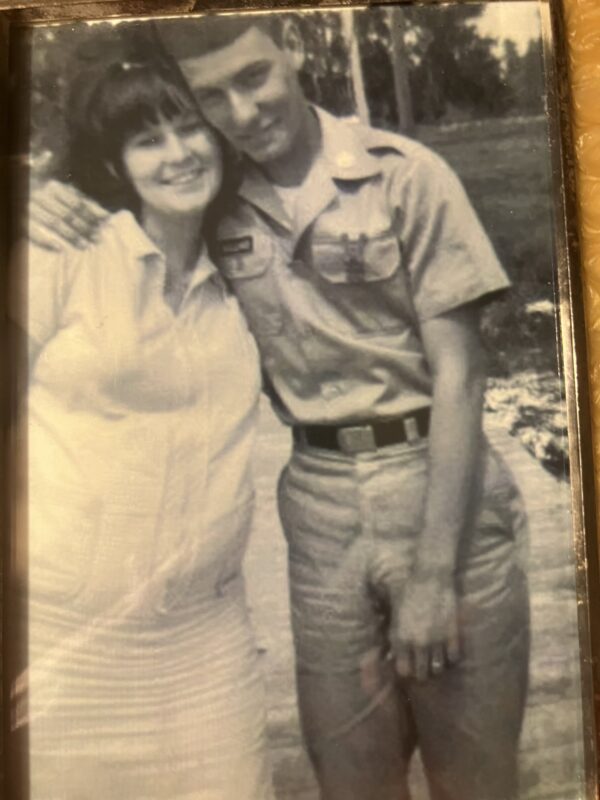
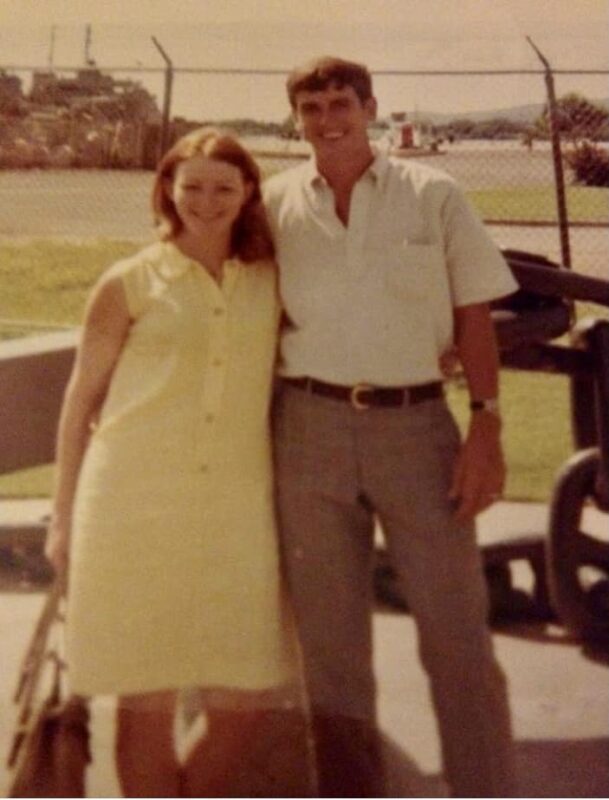
After graduating from basic training at Fort Benning, Georgia, Bullard was assigned to the 11th Armored Calvary, based at Fort Meade, Virginia. He shipped out for Vietnam on June 13, 1968, and officially began his tour of duty on June 30. Before he left Jacksonville, Bullard and his wife posed for a photo outside her parent’s home near Memorial Hospital. Bullard’s wife gave birth to their daughter on June 19, 1968.
Specialized unit
Nicknamed the Blackhorse, the 11th was a specialized calvary unit equipped with light tanks and armored assault vehicles. In June 1968, the unit was under the command of Col. George S. Patton IV, son of the famous World War II tank commander.
Due to its widespread adaptability, the diesel-powered M113 armored personnel carrier became a ubiquitous symbol of the Vietnam War. It was equipped with a mounted 50-caliber machine gun and two mounted 60-caliber machine guns. But its aluminum hull was vulnerable to opposing machine gun fire and rocket grenades.
M-60 gunners like Bullard manned exposed positions atop the M113, making them easy targets from the waist up.
On that ill-fated Saturday in 1969, Bullard and Day, his fellow M-60 gunner, were at their usual positions near the rear of the lead command vehicle, crouching behind steel shields on either side of the troop compartment.
Like Bullard, Day, who was also married, began his tour of duty in June 1968. Both men held the same rank and military occupation specialty – armor reconnaissance specialist 4.
Caught in the crossfire
After speaking with Day and Bullard during the refueling stop, Fritz mounted the lead APC and took his seat below the cargo hatch, just behind the vehicle’s driver.
Both command vehicles had two radios, one to talk to the platoon and one to talk to company headquarters, Fritz said. “They also had twin radio antennas on top. The enemy looks for those,” he added.
While making its way to the overwatch position around 10:30 a.m., the platoon’s column of APCs, which was moving one behind the other, slowed down at one point to mark its position, Fritz said.
Then all hell broke loose. The NVA unit, which was set up in deep gullies that ran along both sides of the road, unleashed a barrage of crossfire toward Fritz’s lead command vehicle.
“The enemy was very close to us, maybe 5 to 10 feet away. Rocket grenades were whizzing all around and our radios were knocked out, so we couldn’t call for help,” said Fritz.
“We had no choice but to dismount. We were in the kill zone.”
When Fritz leaped to the ground from the top of his APC, he saw the limp bodies of both of his top-side gunners, who had been decimated by flanking fire. Fritz believes neither Day nor Bullard had even the slightest chance to return fire before they were killed.
“I pulled everyone in to create a protective barrier,” Fritz said. “The enemy tried to come over the top of us, but they found out we were tougher than they thought. We were determined to fight to the last man. That’s how dedicated we were.”
Despite being at a 5-to-1 disadvantage in manpower and running low on ammunition, Fritz’s platoon, which incurred heavy casualities, held off the ambushers with suppressing fire until a platoon of five M-48 tanks arrived to join the fight.
“We were covered in red dust and so was the enemy,” he recalled. “Vehicles were on fire and everyone was wounded.”
Despite being seriously wounded himself, Fritz refused to leave the battlefield until all his troopers were safely evacuated by helicopter. For his conspicuous gallantry and intrepidity in action at the risk of his life above and beyond the call of duty, Fritz was the recipient of the Congressional Medal of Honor, the nation’s highest military decoration.
A daughter’s lasting tribute
Along with the Purple Heart, both Day and Bullard were posthumously awarded the Bronze Star medal for valor.
Bullard’s remains were flown to Travis Air Force Base in California, and escorted to Jacksonville by his brother-in-law, Pfc. Robert Allen Jr.
He was buried in Jacksonville’s Greenlawn Cemetery with full military honors.
On Jan. 11, 2023, Bullard’s daughter, Tammy Pullen of Jacksonville, marked the 44th anniversary of her father’s passing in a Facebook post.
“I had the honor of meeting many of the brave men that served with and knew my father. I have great respect for each and every one of them,” the post said.
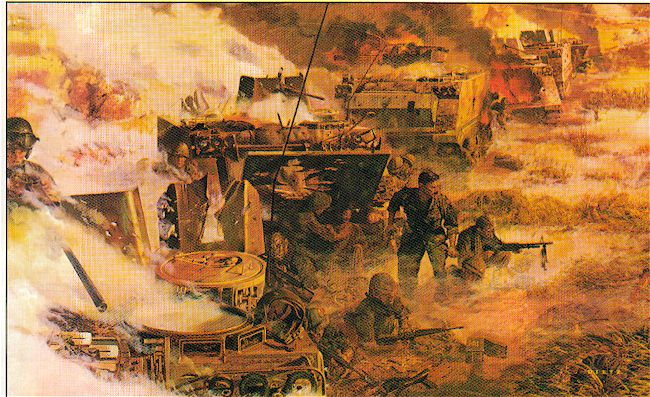
A year later, on Memorial Day 2024, Pullen posted: “Today, I think about the ultimate sacrifice my father, Thomas Bullard, and Charles Day made. An actual painting was commissioned of the battle they fought and died in. My dad was 19 when he died and I was 7 months old. I often wonder what our life would have been like if he lived. So proud of him and all the men and women who gave their lives defending freedom. Thank you.”
Manfred Muss has been searching for his biological father all his life.
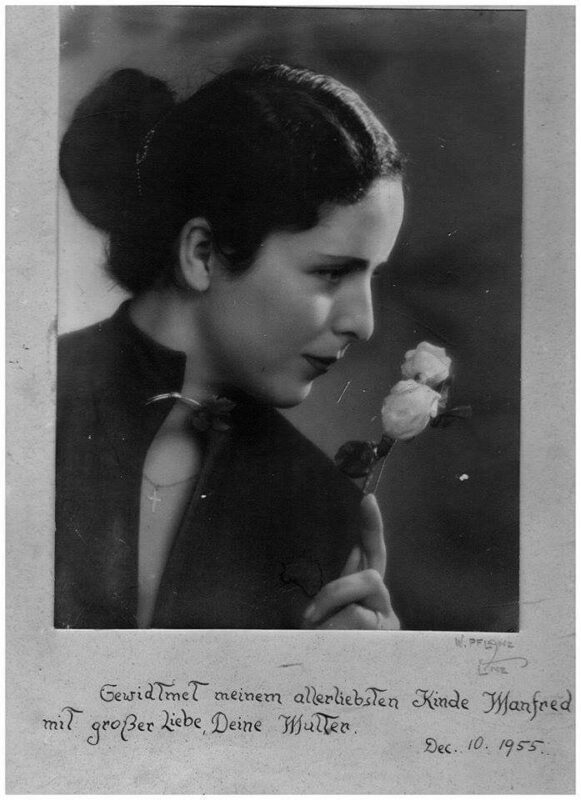
An only child, Manfred knew his Austrian-born mother, Else, had a romantic encounter with an African American soldier in the early 1950s, but she died without ever telling him the soldier’s name or possible whereabouts.
Manfred’s mother, Else, 1955
Manfred, now 73, was resigned to the fact that he would never learn his father’s identity until one fortuitous day in 2006 when a picture frame fell off a wall at his home.
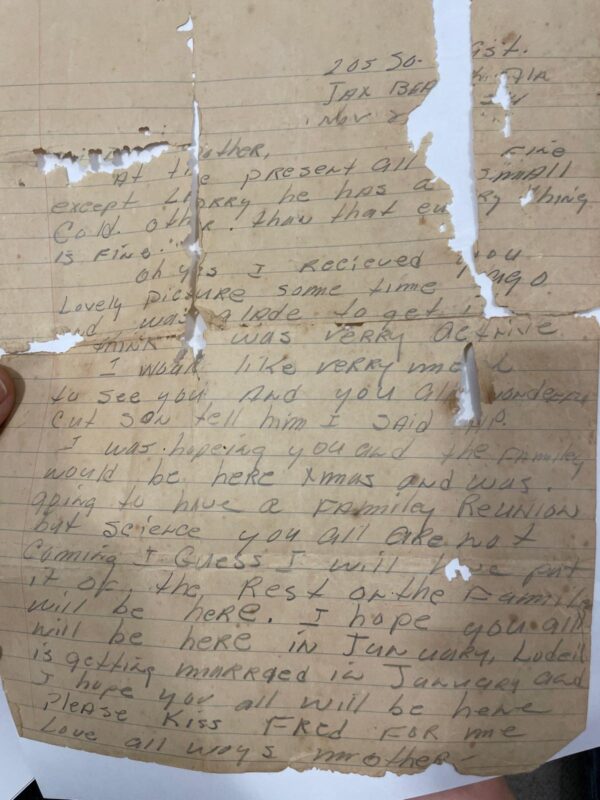
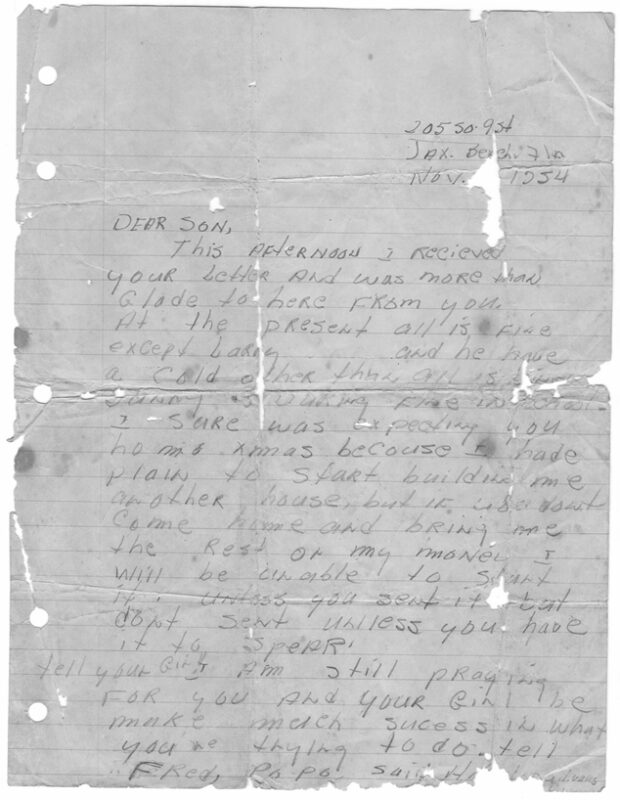
From behind the broken frame slide out two handwritten letters, both containing a mysterious Jacksonville Beach street address.
The letters, yellowed by time, were more than 50 years old and written entirely in English. Curious, he asked a friend to help him translate them.
After a few unsuccessful attempts, Manfred gave up and stowed the fragile letters away in an old leather suitcase.
Fast forward to October 2024. Manfred and his 35-year-old daughter, Thali, are having lunch at his home in Milan, Italy, when he casually hands her one of the letters.
Fluent in English, Thali immediately recognized something significant about it. The word “Fred” appears repeatedly. It was a nickname her father had been called as a child.
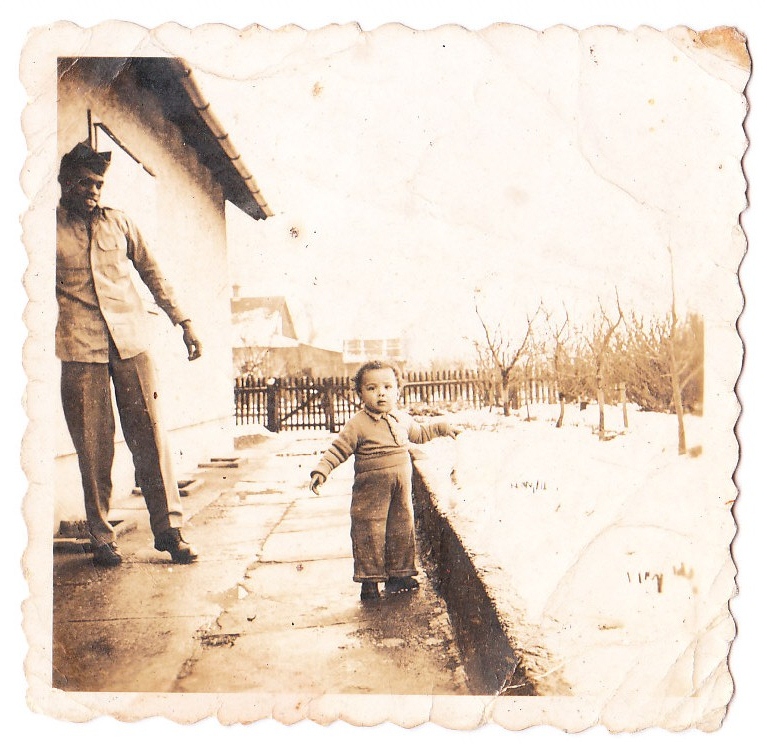
Prior to the discovery of the letters, the only evidence of her father’s ties to his African American roots was a treasured photograph from his childhood in post-war Linz, Austria.
In the sepia-toned photo, Manfred is depicted as a toddler standing with his arms outstretched as a uniformed African American soldier stands close by. Every time Manfred asked his mother about the photo, she would change the subject or make up stories that only deepened his confusion, Thali said.
“Her refusal had created a void, an absence my father had spent his entire life trying to fill,” she added.
Putting together the puzzle pieces
Driven by curiosity and the desire to solve the mystery that had weighed on her father for years, Thali decided to take matters into her own hands.
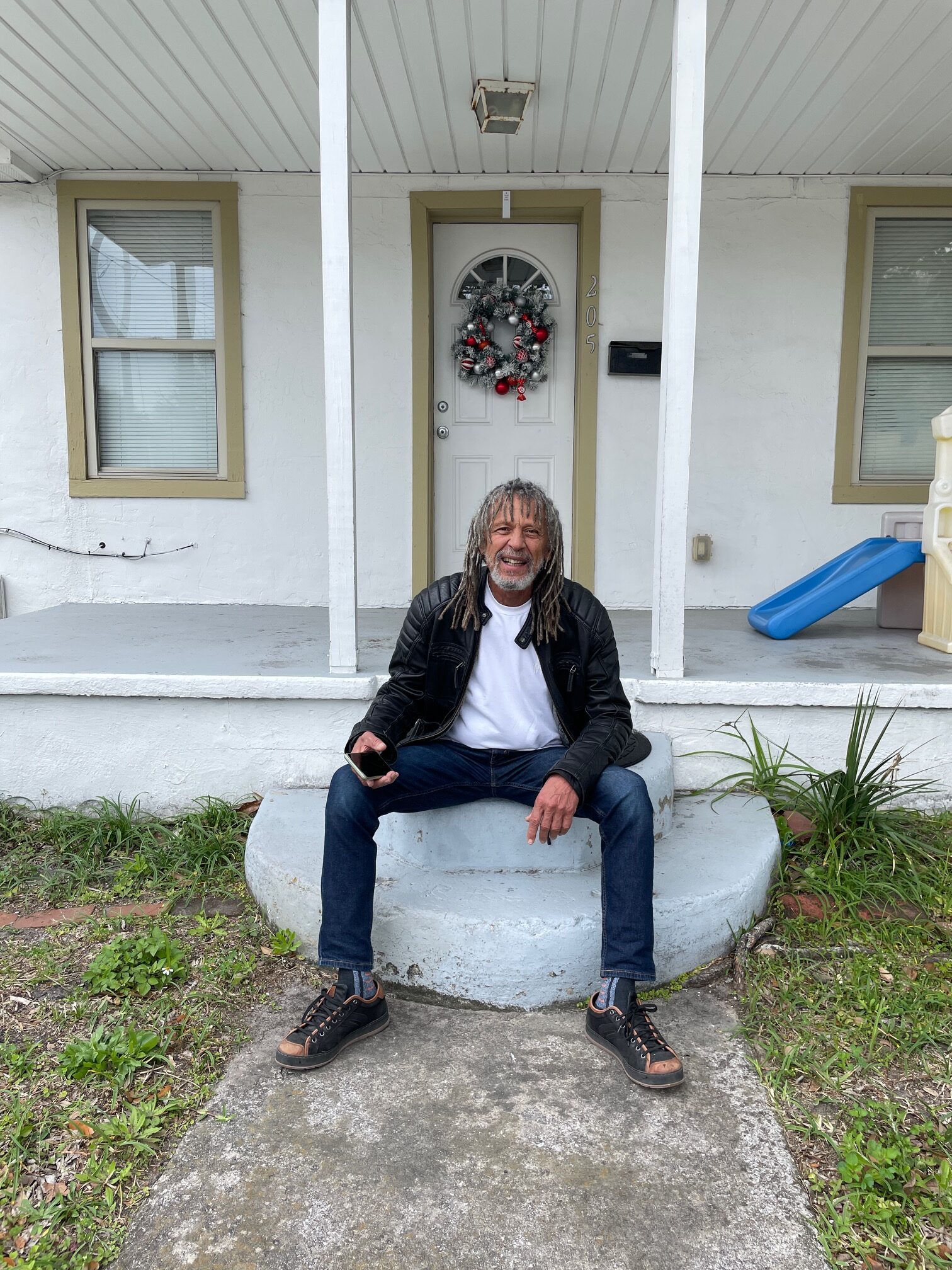
First off, she successfully reconstructed the return address at the top of the letters: 205 South 9th Street, Jacksonville Beach. Next, she posted her findings with a Jacksonville Beach Facebook group.
The responses included suggestions like contacting Search Angels, a nonprofit organization specializing in genealogy, or reaching out to the local property appraiser’s office.
“But the most valuable suggestion came from a Jacksonville Beach resident named Ashley Pardee, who advised us to contact the Beaches Museum, which houses the city’s historical archives and, according to her, has a wonderful team of volunteers,” Thali said.
Before contacting the museum, Thali matched the letter’s return address to census records on Ancestry.com. After some trial and error, she hit the jackpot. The 1950 census listed an African American family with the surname Kirkland residing at 205 South 9th Street, Jacksonville Beach.
Manfred Muss visits 205 South 9th Street, Jacksonville Beach
Four of the occupants of the home were mentioned prominently in her father’s letters.
“Every name was a confirmation. The past I had been chasing was no longer an undefined haze. It was taking shape before my eyes,” Thali said.
One name on the census record stood out to her – Junior Kirkland. Could he, in fact, be her father’s biological father? Everything seemed to point in that direction.
Connecting with his overseas kin
After taking Ashley’s advice, Thali sent an email, on behalf of her father, to the Beaches Museum, inquiring about the existence of Junior Kirkland.
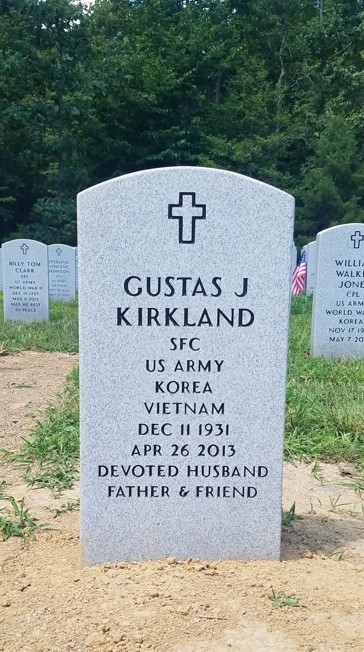
After some poking around on the Internet, I was able to find Gus Kirkland Jr.’s obituary and burial details. A 1950 graduate of Stanton High School, he spent more than 20 years in the U.S. Army, rising to the rank of sergeant first class. After his military career, he opened several businesses in Washington D.C., including a soul food restaurant that was frequented by President Obama.
Sadly, Gus. Jr. passed away on April 26, 2013. He was 81.
Knowing her father would never be able to meet his father face to face was a hard pill to swallow. But Thali did the next best thing: she purchased two roundtrip plane tickets from Milan to Jacksonville so her father could meet several members of the Kirkland family still residing in Jacksonville, including an aunt and several first cousins.
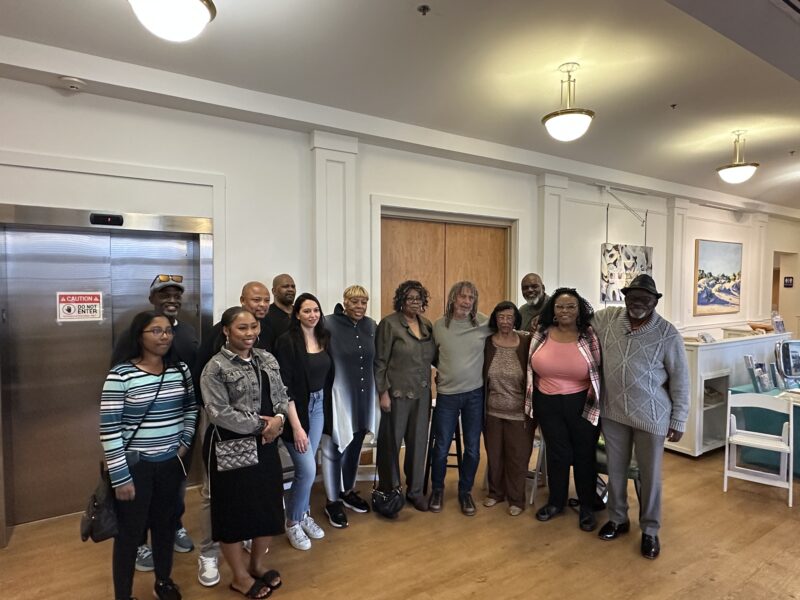
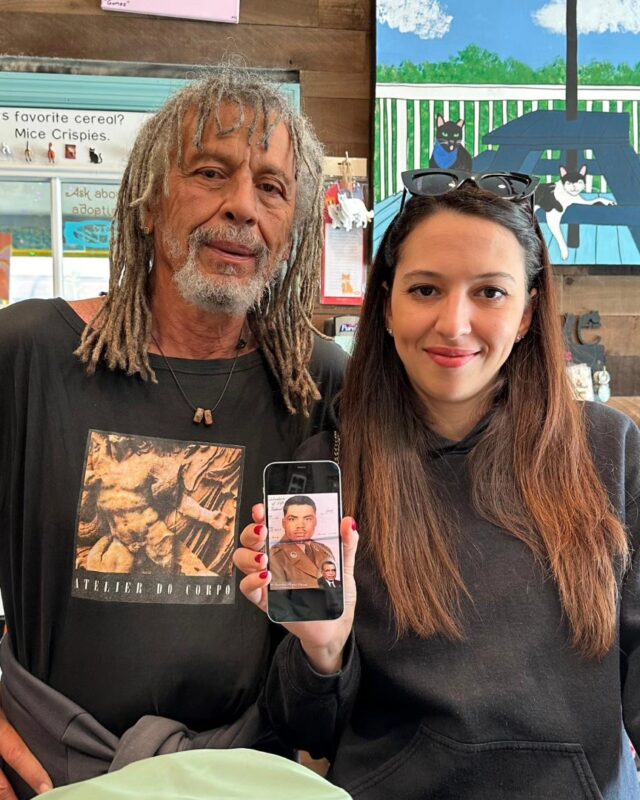
On Saturday, March 8, the museum hosted a special Kirkland Family Reunion for Manfred and Thali which drew more than two dozen of his closest relatives.
The private event was held in the Museum lobby and the Italian guests of honor were able to connect with other descendants of Lee Kirkland, the former Alabama sharecropper who moved his family to Jacksonville Beach in the early 1940s.
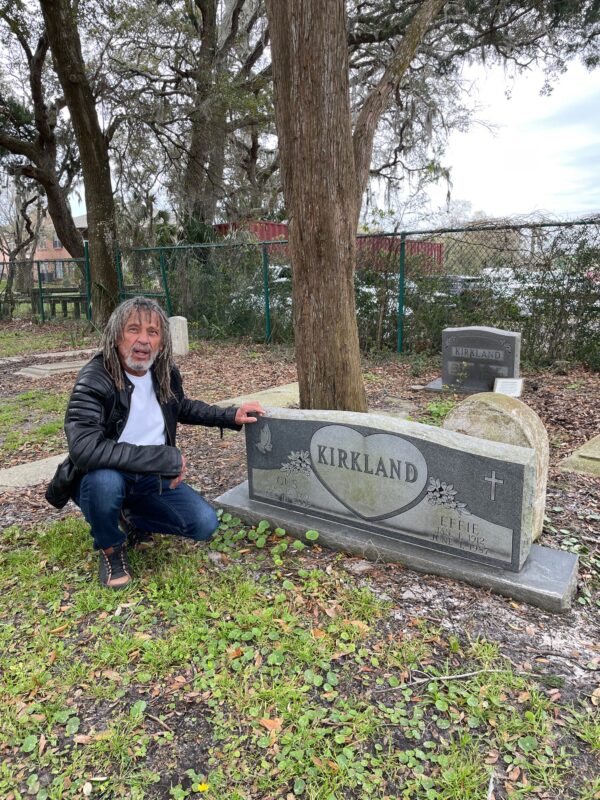
Lee Kirkland was the unofficial caretaker of the former African American cemetery in Jacksonville Beach. After his death in 1960, the city of Jacksonville Beach named the cemetery in his honor.
On Sunday, March 9, Manfred and Thali visited the cemetery where several Kirkland family members are buried, including Manfred’s grandparents Gus Sr. and Effie Kirkland, who proudly displayed photos of Manfred and his mother in their Jacksonville Beach home.
Father and daughter also made pilgrimages to the historic St. Andrew A.M.E. Church where Gus Sr. was a trustee, the Rhoda L. Martin Center on South 4th Street, where Gus Jr. attended grade school and old Stanton High School in downtown Jacksonville.
Before flying home to Milan on March 17, Manfred and Thali made a stopover in Knoxville, Tennessee, to visit John Kirkland, the younger brother of Gus Jr., and a retired U.S. Air Force veteran.
“In hindsight, I understand how important it was for my father to confront this challenge,” said Thali. “Roots are not just a connection to what was but a guide to understanding where we are and where we can go. I am grateful to have found the strength to embark on this journey, too.
“Discovering one’s origins is not just about answering lingering questions, but embracing the choices, losses, and realities of those who came before us,” she added.” My father experienced this journey with hesitation, torn between the desire to know and the fear of not ever knowing. In the end, he experienced a liberation, knowing that every fragment of the past is a part of who we are today.”
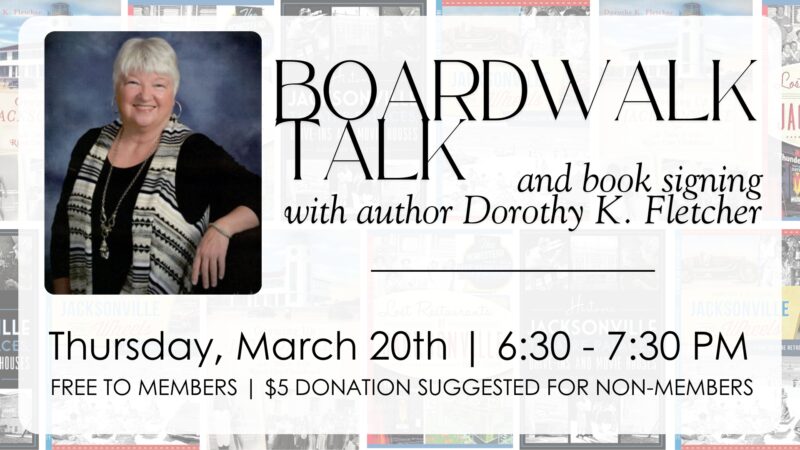
Thursday, March 20 at 6:30 PM, join us at the Museum for a special Boardwalk Talk and book signing with this month’s featured author, Dorothy K. Fletcher.
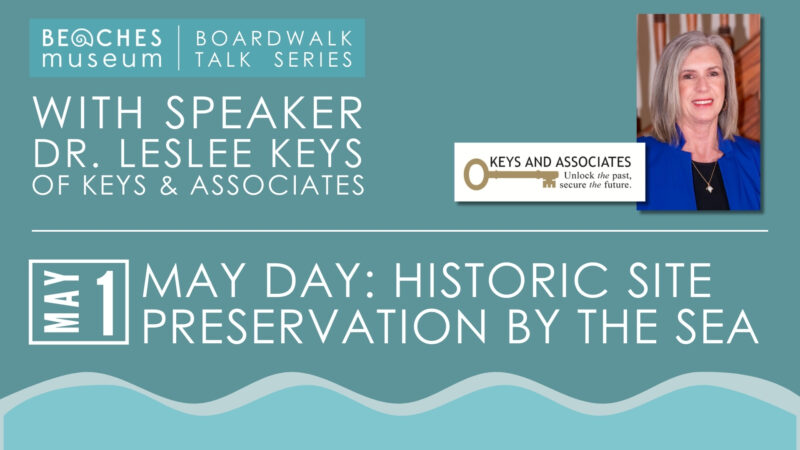
Thursday, May 1 at 6:30 PM, join us for a special Boardwalk Talk with historic preservation expert Dr. Leslee Keys on the unique challenges coastal sites present for historic preservationists and what can be done to enhance the resilience of a coastal community’s heritage sites.
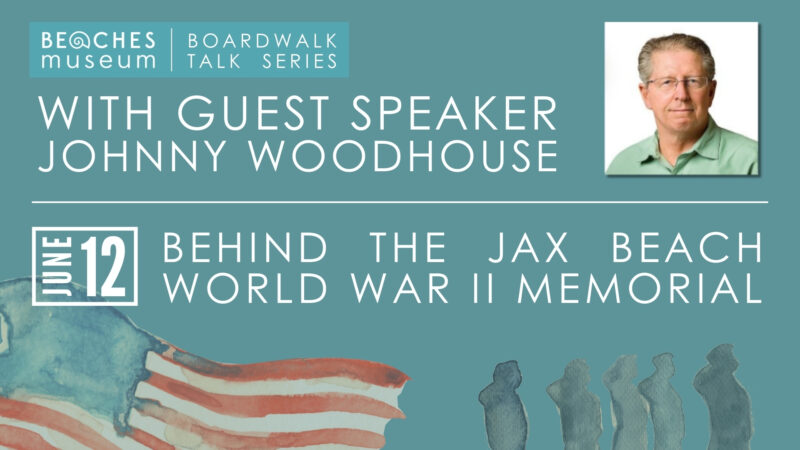
Thursday, June 13 at 6:30 PM, join us for a special Boardwalk Talk which will explore Johnny Woodhouse’s research into the 22 fallen WWII veterans of Jacksonville Beach remembered in Oceanfront Park’s World War II memorial.
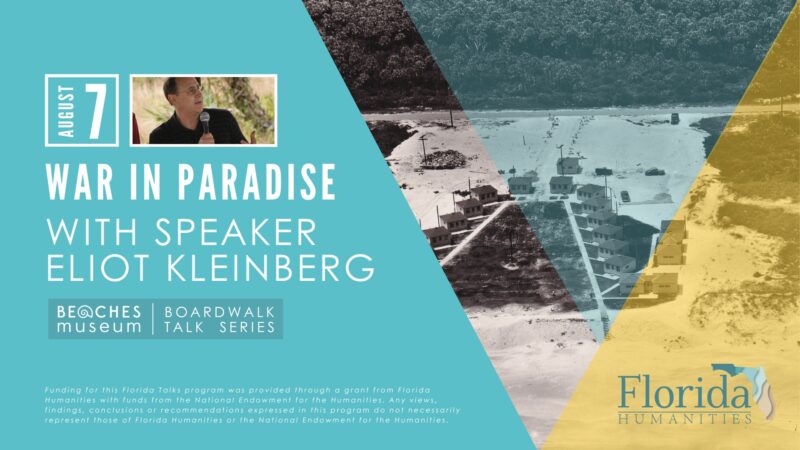
Thursday, August 7 at 6:30 PM, join us at the Museum for a special Boardwalk Talk on World War II in Florida with speaker Eliot Kleinberg. Make sure to take a look at our current exhibit for a look at more war history!
Funding for this program was provided through a grant from Florida Humanities with funds from the National Endowment for the Humanities. Any views, findings, conclusions or recommendations expressed in this program do not necessarily represent those of Florida Humanities or the National Endowment for the Humanities
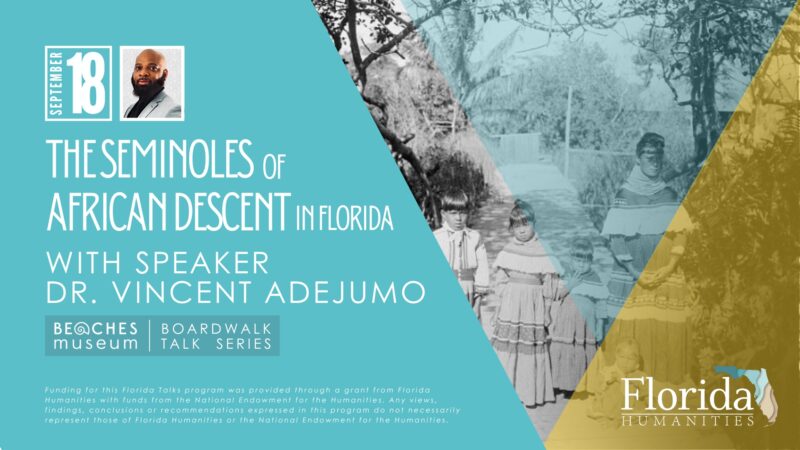
Thursday, September 18 at 6:30 PM, join us at the Museum for a special Boardwalk Talk on the Seminoles of African Descent with University of Florida lecturer Dr. Vincent Adejumo.
Funding for this program was provided through a grant from Florida Humanities with funds from the National Endowment for the Humanities. Any views, findings, conclusions or recommendations expressed in this program do not necessarily represent those of Florida Humanities or the National Endowment for the Humanities
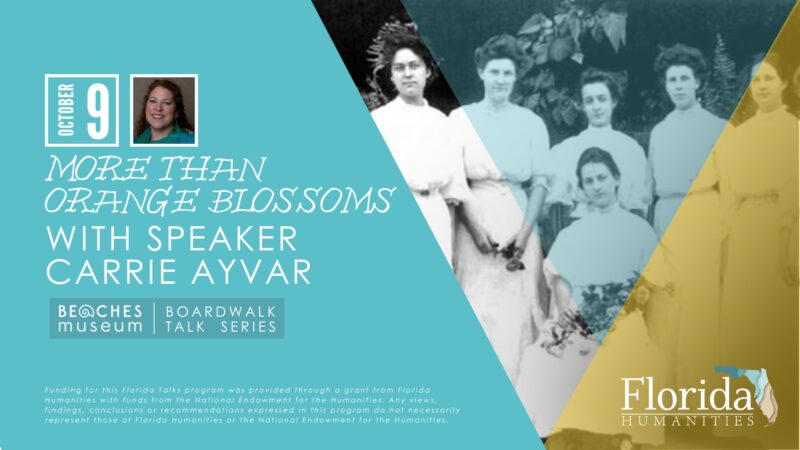
Thursday, October 9 at 6:30 PM, join us at the Museum for a special Boardwalk Talk by Carrie Sue Ayvar celebrating women’s’ history in Florida!
Funding for this program was provided through a grant from Florida Humanities with funds from the National Endowment for the Humanities. Any views, findings, conclusions or recommendations expressed in this program do not necessarily represent those of Florida Humanities or the National Endowment for the Humanities
Beaches Museum • 381 Beach Boulevard Jacksonville Beach, Florida 32250